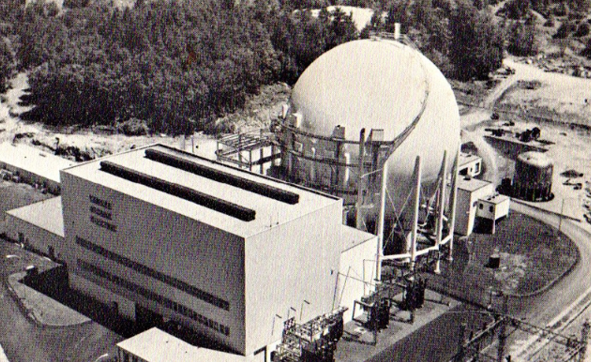
On August 19, 1960, the Yankee Rowe Nuclear Power Station in Massachusetts went critical—becoming the third nuclear plant in the U.S. to achieve a self-sustaining reaction. Built as part of an experiment to prove nuclear energy's commercial viability, Yankee Rowe quietly helped launch a new era of American power.
The plant ran for over 30 years, paving the way for large-scale nuclear generation across the country. It's a reminder that some of the biggest energy breakthroughs start in quiet control rooms, not grand unveilings.