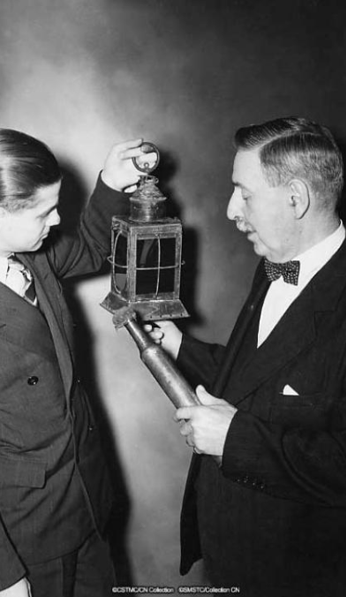
On January 29, 1850, Canadian geologist Abraham Gessner received a U.S. patent for a gasification process that produced illuminating gas from bitumen, asphaltum, and mineral pitch. This work built on his earlier experiments that led to kerosene, offering a cleaner and more reliable alternative to whale oil at a time when urban lighting demand was exploding.
Gessner's kerosene could be produced in volume and burned with far less smoke and odor, helping drive rapid adoption across North America and Europe. By the early 1850s, kerosene lamps were spreading quickly, and whale oil prices collapsed — an early example of how energy innovation can disrupt entire industries. Around this period, global whale harvests began to decline sharply as petroleum-based lighting gained ground.