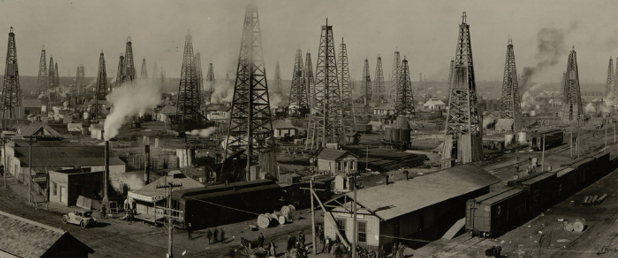
On March 31, 1919, a statute formally granted the Texas Railroad Commission (TRC) regulatory authority over the state's oil and natural gas industry. This move represented one of the earliest structured efforts to regulate petroleum production, conservation, and safety in what would soon become the most prolific oil-producing region in the United States.
By the 1920s, Texas fields were producing millions of barrels per month, often leading to overproduction, price crashes, and massive waste. The TRC's authority eventually expanded to include production prorationing, influencing oil markets far beyond Texas. Decades later, its regulatory framework became a model for global production controls, predating OPEC by more than 40 years.
This decision helped shape modern energy regulation, proving that coordinated oversight could stabilize markets and preserve valuable natural resources.