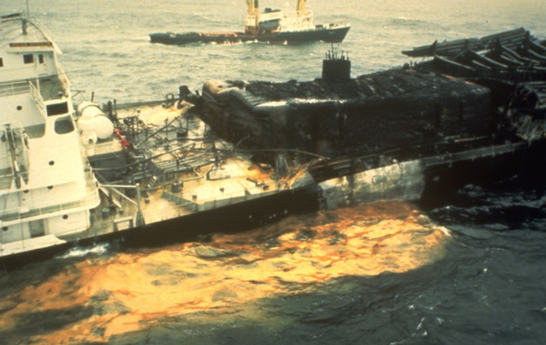
Although authorities quickly approved the use of chemical dispersants, rough seas and strong winds hampered containment and cleanup operations. Only a fraction of the oil was ever recovered. The disaster became a defining case study in marine spill management, emphasizing the difficulties of emergency response in open waters and the environmental vulnerability of coastal ecosystems.
The Puerto Rican incident ultimately spurred renewed attention to tanker safety protocols, fuel transport standards, and response coordination among federal and state agencies. Its legacy contributed to the tightening of maritime regulations that continue to guide energy logistics and environmental protection today.