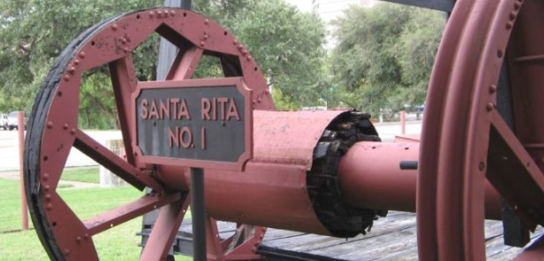
On May 25, 1923, the Santa Rita No. 1 wildcat well in West Texas showed its first signs of oil and natural gas, forever changing the trajectory of American energy. Located on University of Texas land in Reagan County, the well officially blew in as a major gusher three days later. This discovery proved the enormous petroleum potential of the Permian Basin, a region that would eventually evolve into one of the most productive and resilient oil provinces in the world.
The well was named after the "Saint of the Impossible" by investors who were told by experts that finding oil in the High Plains of West Texas was a lost cause. Against all odds, the Santa Rita No. 1 produced for 67 years before it was finally plugged in 1990. The royalties from this single well and the subsequent development of the field provided billions of dollars in funding for the University of Texas and Texas A&M systems, creating one of the largest academic endowments in the United States.
This milestone marked the birth of the Permian as a global energy powerhouse, shifting the industry's focus toward the vast, stacked pay zones of West Texas. The infrastructure and expertise developed in the wake of the Santa Rita discovery laid the groundwork for the secondary recovery and unconventional drilling revolutions that continue to define the basin today. Nearly a century later, the Permian remains the backbone of U.S. crude production, proving that the "impossible" discovery of 1923 was only the beginning.