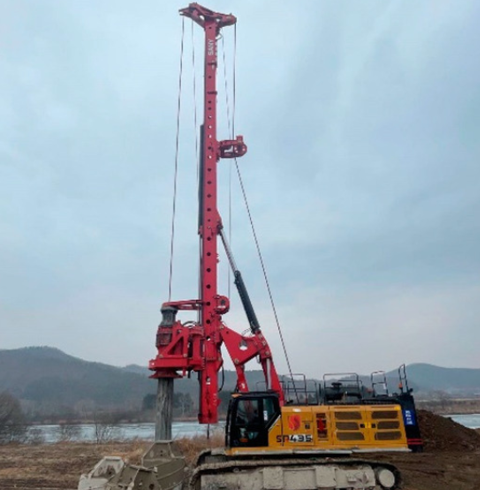
At the time, Hughes's invention drastically reduced drilling costs and opened previously untapped reserves, helping accelerate the expansion of U.S. oil production. By 1910, rotary drilling techniques had already become standard in many emerging oilfields, including Texas and Oklahoma, enabling a boom in domestic petroleum output.
Hughes's rotary bit not only shaped the efficiency of oil exploration but also paved the way for deeper offshore and unconventional drilling, cementing the role of technological innovation in global energy development.