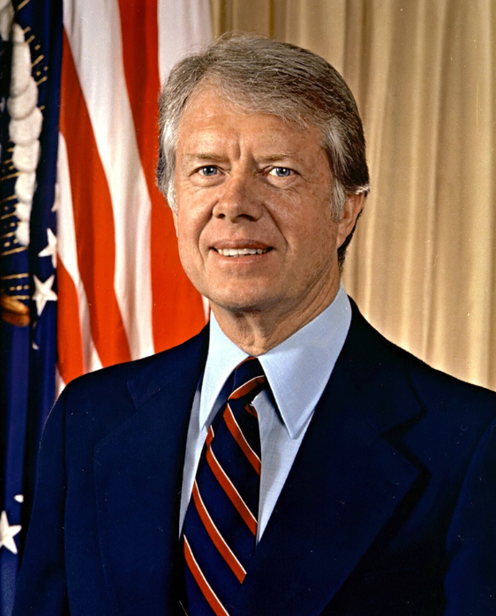
On April 2, 1980, President Jimmy Carter signed the Crude Oil Windfall Profit Tax (WPT) into law, one year after removing federal price controls on oil. The tax aimed to capture a portion of oil producers' gains resulting from sharply higher prices following the 1970s energy crises.
The WPT applied to domestic oil production from 1980 to 1988, ultimately generating over $80 billion in federal revenue, far less than originally projected. Critics argued the tax discouraged production, while supporters viewed it as a fairness measure during a period of high gasoline prices and inflation. At the time, U.S. oil consumption exceeded 18 million barrels per day, increasing pressure on policymakers to act.
The Windfall Profit Tax remains one of the most debated energy policies in U.S. history, illustrating the tension between market forces and government intervention.