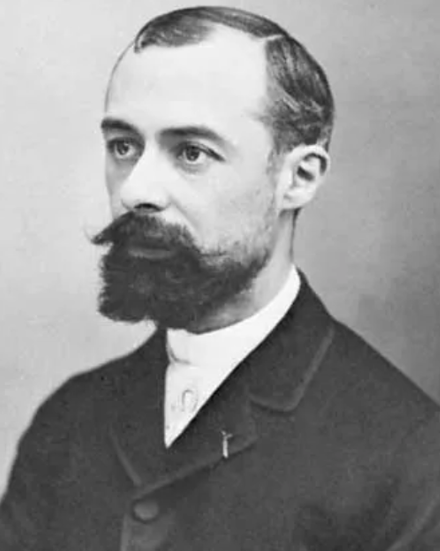
On August 28, 1839, French physicist Edmond Becquerel discovered the photovoltaic effect while experimenting with an electrolytic cell coated in silver chloride. He observed that the cell produced more electricity when exposed to light—an unexpected revelation at the time.
This phenomenon demonstrated that sunlight could generate electrical energy, laying the scientific foundation for what would become modern solar technology. Though primitive by today's standards, Becquerel's work sparked curiosity that eventually led to the invention of solar panels and the global push for renewable energy.
From a small lab experiment to powering homes, businesses, and entire cities, his discovery marked the beginning of a brighter, cleaner energy future.