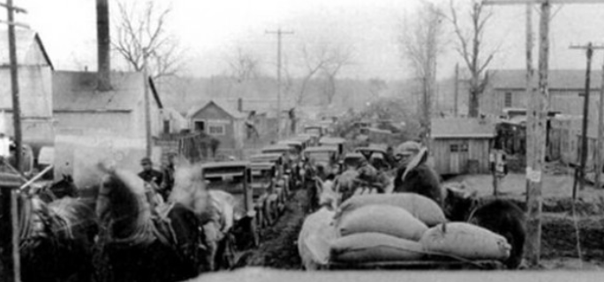
On March 17, 1923, the Betsy Foster No. 1 well near Wewoka, Oklahoma, erupted as a 2,800-barrel-per-day gusher, launching the Seminole oil boom. Within the next decade, 39 separate oilfields were discovered across Seminole and neighboring counties.
By 1935, this previously impoverished region became the largest oil supplier in the world, dramatically improving local infrastructure, schools, and employment. The Seminole boom also helped fuel Oklahoma's total oil output to over 150 million barrels per year, cementing its status as a key player in U.S. petroleum production.