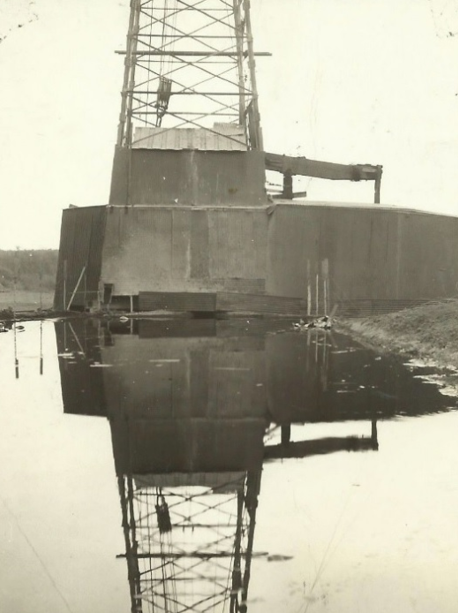
On May 29, 1940, the Bucholz No. 1 well near Falls City officially became Nebraska's first commercial oil producer. Drilled by the Pawnee Royalty Company, the well struck oil at a depth of about 2,200 feet and initially produced 170 barrels per day. This discovery was the culmination of years of speculative drilling and marked the beginning of Nebraska's history as a petroleum-producing state, proving that the oil-rich trends of the Mid-Continent extended into the Cornhusker State.
The discovery was spurred by a unique incentive: the Nebraska state legislature had offered a $15,000 bounty to the first company to complete a well producing at least 50 barrels of oil daily for sixty consecutive days. Interestingly, after the Bucholz No. 1 proved successful, it triggered a massive "oil fever" in the region, leading to the development of the Falls City field which produced over one million barrels of oil by the following year. This influx of activity provided a vital economic boost to local communities during the tail end of the Great Depression.
The success of the Bucholz well demonstrated the value of wildcatting in unexplored territories and opened the door for further exploration across the Forest City Basin. While Nebraska never reached the massive production levels of neighboring giants, the industry became a stable contributor to the state's economy for decades. The legacy of that first strike remains a proud chapter in Midwestern energy history, showing that persistent exploration can uncover hidden value in even the most unlikely places.