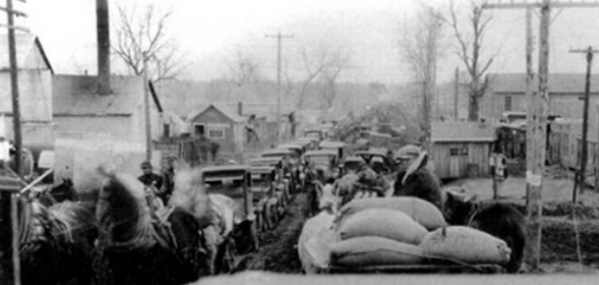
On April 15, 1930, drilling surged across Oklahoma's Greater Seminole Oil Field following a string of early production successes. The rush of rigs transformed the region almost overnight into one of America's busiest petroleum zones, cementing Seminole County as a centerpiece of U.S. oil development during the interwar years.
Within a few years, the greater Seminole area was producing hundreds of thousands of barrels per day and by 1935 had briefly become the largest oil-producing region in the world. The boom triggered explosive town growth — Seminole's population multiplied several times in just a few years as workers, investors, and speculators flooded into the area seeking opportunity.
The field's rapid rise illustrates how concentrated discoveries could reshape local economies and influence national fuel supply during a critical era of industrial expansion.