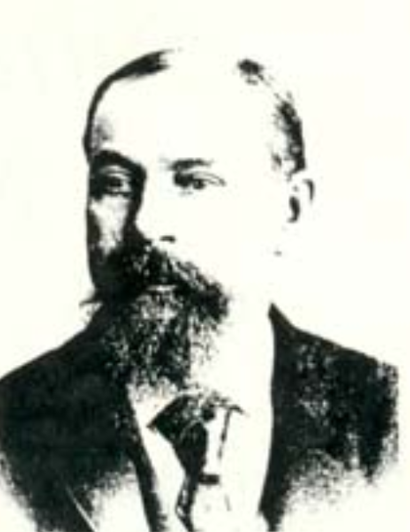
On October 3, 1830, American engineer George Bailey Brayton was born. In 1872, he patented the first commercial gas-powered internal combustion engine, a revolutionary design that used a pressurized air-fuel mixture and continuous ignition.
Brayton's invention laid the groundwork for engines and turbines that would power everything from early automobiles to modern power plants. His work bridged the gap between mechanical engineering and energy systems, enabling more efficient conversion of fuel into usable power.
Today, Brayton's legacy lives on in gas turbines that drive electricity generation and aviation—reminding us how one engineer's innovation reshaped the way the world produces and consumes energy.