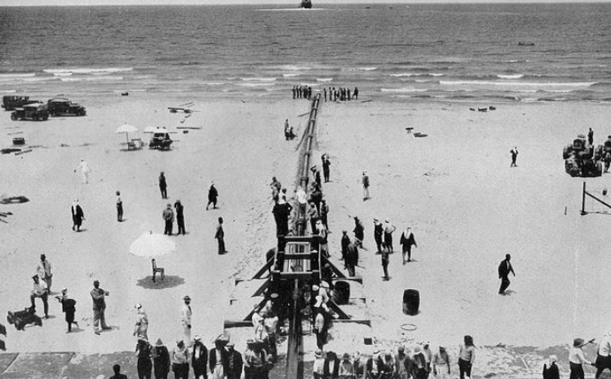
Built by the Iraq Petroleum Company (IPC), the line was capable of transporting up to 4 million tons of crude oil per year at its peak. The project not only revolutionized regional energy logistics but also cemented the Middle East's growing role as a cornerstone of global oil supply.
The Kirkuk–Haifa pipeline symbolized a new era of energy connectivity, linking inland oilfields to world markets and setting the stage for the complex, international pipeline networks that power today's energy infrastructure.