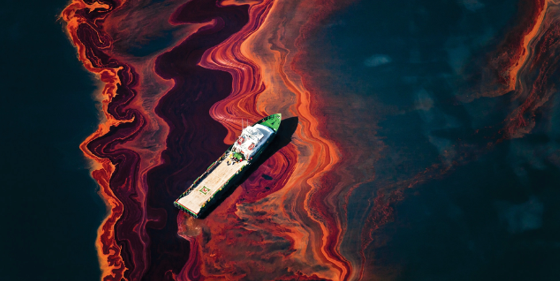
On April 27, 2010, just one week after the explosion aboard the Deepwater Horizon, the growing oil slick in the Gulf of Mexico had spread roughly 100 miles across and extended to within about 20 miles of the Louisiana coastline. The scale of the expanding spill signaled the severity of the unfolding crisis and raised urgent concerns about fisheries, wetlands, and offshore energy operations across the region.
The Deepwater Horizon well — operated by BP — was drilled in approximately 5,000 feet of water in the Macondo Prospect, making it one of the deepest offshore blowouts in history at the time. In the months that followed, an estimated 4.9 million barrels of oil were released before the well was capped in July 2010, making it the largest marine oil spill in U.S. history. The disaster led to a temporary federal moratorium on deepwater drilling and sweeping reforms in offshore safety regulation.
By late April 2010, it was clear the incident would reshape offshore petroleum oversight, environmental response planning, and industry risk management for years to come.