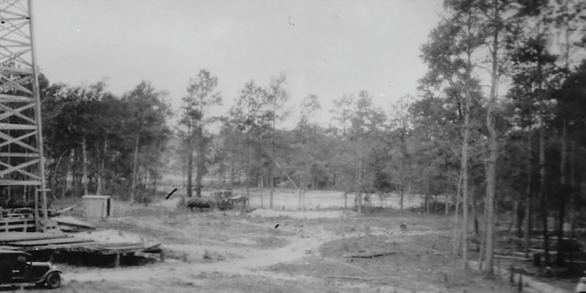
On May 6, 1930, sustained production began from the Conroe Oil Field in Conroe, sparking a major regional petroleum boom that helped reinforce Texas' position as a dominant U.S. oil producer. Although early exploration in the area had seen dry holes through the 1920s, a successful wildcat well by George W. Strake in late 1931 revealed prolific oil-bearing sands at around 5,000 feet below surface.
The discovery triggered rapid development — by early 1933, more than 100 wells were producing over 25,000 barrels of oil per day, and Conroe's population swelled from a few thousand to over 10,000 residents in just months as workers, investors, and service companies flooded in. Over the decades that followed, the field produced hundreds of millions of barrels of oil, and Montgomery County became one of the most prolific petroleum regions on the Gulf Coast.
Conroe's success not only revitalized the local economy during the depths of the Great Depression, but also strengthened pipeline and refinery linkages with the Houston Ship Channel, integrating Gulf Coast production into broader domestic and international markets.