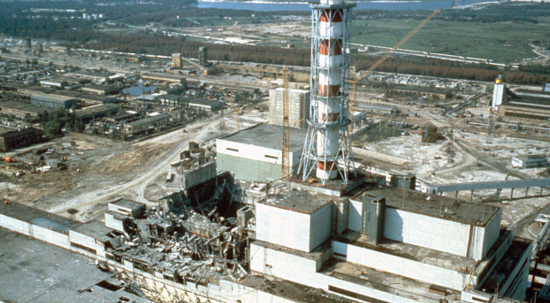
On September 26, 1977, the first reactor at the Chernobyl Nuclear Power Plant in Ukraine was officially connected to the Soviet electrical grid. At the time, it marked a milestone in the USSR's push to expand nuclear power as a cornerstone of its energy strategy.
The facility began as a symbol of progress, promising vast amounts of electricity with reduced reliance on fossil fuels. Yet, Chernobyl's future would later be overshadowed by tragedy, when its fourth reactor suffered a catastrophic meltdown in 1986.
The plant's launch in 1977 serves as both a reminder of nuclear energy's potential and a prelude to one of history's most significant lessons on safety, transparency, and the global consequences of energy decisions.