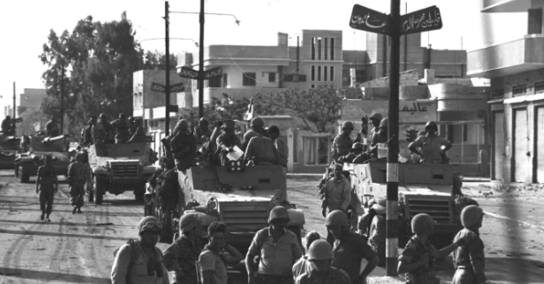
On October 22, 1973, the U.N.-brokered ceasefire in the Yom Kippur War collapsed, reigniting fighting between Israel and Arab nations. What began as a temporary truce quickly unraveled into renewed hostilities, deepening regional instability and shaking global confidence.
In response, Arab oil producers weaponized oil, cutting production and imposing embargoes on Western allies of Israel. Within weeks, prices surged, fueling the 1973–74 oil crisis—a historic energy shock that exposed the fragility of Western dependence on Middle Eastern petroleum.
The fallout forced major economies to rethink their energy security, driving investments in domestic production, efficiency, and alternative sources. The collapse of the ceasefire didn't just change the course of a war—it reshaped the world's relationship with oil for decades to come.