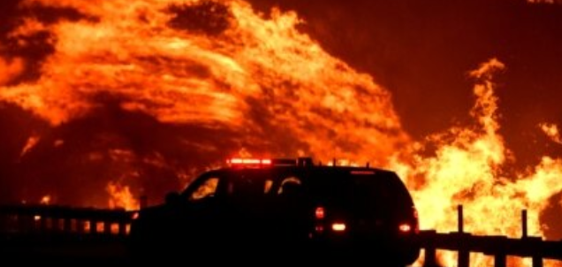
On October 10, 2019, California utilities carried out one of the largest planned power outages in U.S. history. Pacific Gas and Electric (PG&E) and other providers shut off electricity to nearly 738,000 customer accounts across 35 counties—leaving an estimated 2.5 million people without power—to prevent wildfires sparked by transmission lines during high winds and extreme dryness.
These "Public Safety Power Shutoffs" (PSPS) were more than a fire prevention tactic; they revealed the critical intersection between climate change, infrastructure, and energy reliability. By cutting power, utilities reduced ignition risks, but they also exposed vulnerabilities in California's grid—where millions depend on continuous electricity for health systems, businesses, and daily life.
Over that wildfire season, more than 3 million Californians were affected by successive shutoffs, sparking national debates about how energy systems must evolve. The events underscored the urgent need for grid modernization, renewable storage, and decentralized solutions like microgrids to make energy delivery both safe and resilient in a changing climate.