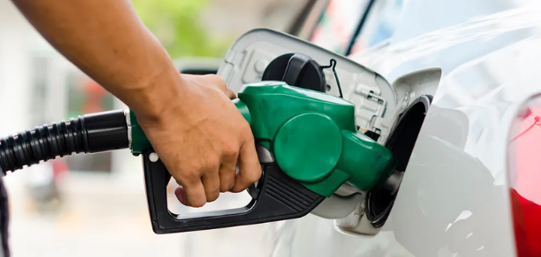
On February 25, 1919, Oregon became the first U.S. state to enact a gasoline tax, introducing a one-cent-per-gallon levy to help fund road construction and maintenance. The legislation was championed by state legislator Loyal Graham as automobile ownership surged nationwide.
At the time, the U.S. had fewer than 8 million registered vehicles, yet road infrastructure lagged far behind demand. Oregon's gas tax directly linked fuel consumption to highway funding — a model that would soon spread across the country.
Within a decade, every U.S. state had adopted a gasoline tax, permanently reshaping how transportation infrastructure was financed. What began as a modest penny per gallon became one of the most influential energy-related policies in American history.