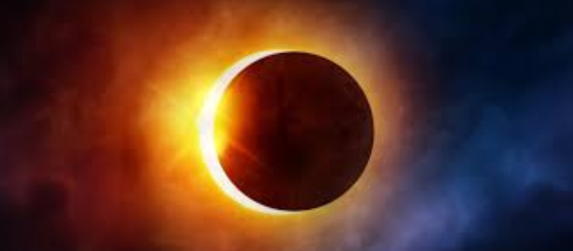
On August 1, 2008, a total solar eclipse swept across parts of Europe and Asia, temporarily plunging daylight into darkness. While the event thrilled skywatchers, it also created a rare opportunity to observe how solar-dependent grids respond to sudden light loss. Researchers and utilities used the eclipse to study fluctuations in energy generation and grid stability — an experiment that underscored the need for forecasting tools, backup systems, and better grid planning as solar adoption continues to rise.