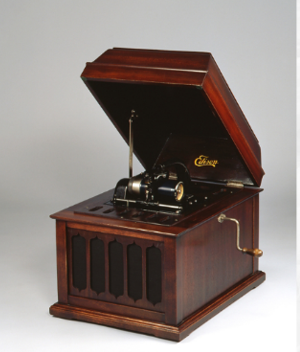
On this day in 1877, Thomas Edison completed the first working model of the phonograph—an invention that didn't just capture sound but also symbolized a new frontier in how energy could be stored and replayed.
By converting acoustic energy into mechanical motion and etching it onto tinfoil cylinders, Edison's device laid the groundwork for future innovations in audio, communication, and energy transformation. This moment marked a pivotal shift: sound was no longer fleeting—it could be captured, stored, and transmitted.