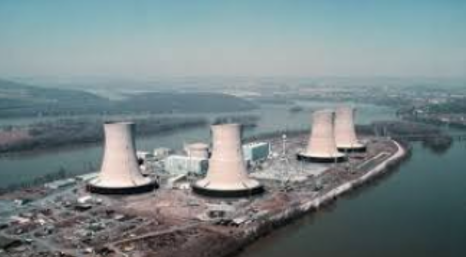
A cooling system malfunction caused the reactor's core to overheat, and operators misinterpreted key signals, worsening the situation. Although some radioactive gases were released, studies found no significant health effects on the surrounding population. The incident led to widespread public fear, increased regulatory scrutiny, and major reforms in nuclear safety procedures. It also slowed the growth of the nuclear power industry in the United States, leading to stricter training programs and improved reactor designs. Today, the Three Mile Island disaster remains a turning point in nuclear energy history, shaping policies and safety protocols for future generations.