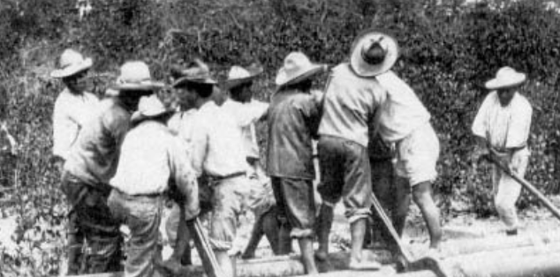
On May 28, 1936, the Syndicate of Petroleum Workers of the Mexican Republic (STPRM) launched a massive nationwide strike against the foreign oil companies operating within the country. This labor action effectively paralyzed the industry, as workers demanded better wages and social benefits from the American and British majors that dominated the region. The strike set off a series of intense legal and political battles that would eventually lead to the historic 1938 expropriation and the creation of the state-owned giant, PEMEX.
An interesting outcome of this specific 1936 strike was that it forced the Mexican government to intervene directly in the oil sector, creating a Federal Board of Conciliation and Arbitration to resolve the deadlock. Furthermore, the sheer scale of the walkout was unprecedented; it involved nearly 18,000 workers across the nation's largest refineries and fields, demonstrating the growing organized power of the regional labor force. These events forced a total reevaluation of how international firms operated within Mexican borders.
This strike marked a critical turning point in the history of North American energy, signaling the end of the era of unregulated foreign concessions in Mexico. By challenging the status quo, the workers catalyzed a shift toward national control of natural resources, a move that fundamentally reshaped global energy geopolitics. The legacy of the 1936 strike remains a cornerstone of Mexican industrial identity, serving as the spark that eventually placed the nation's vast crude reserves under its own management.