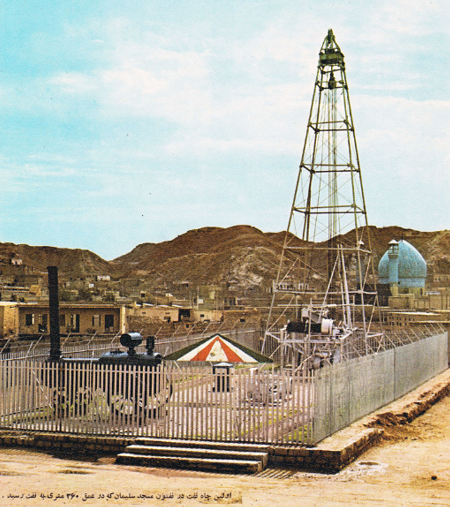
On May 26, 1908, the global energy landscape shifted forever when an exploratory well at Masjed Soleyman in southwest Persia struck a massive column of oil. Led by engineer George Reynolds and financed by the persistent William Knox D'Arcy, the crew hit the reservoir at a depth of 1,180 feet, sending a gusher 75 feet above the derrick. This discovery marked the first major commercial oil find in the Middle East, proving that the region held the vast petroleum reserves that would eventually dominate world markets.
The success at Masjed Soleyman came at a desperate time, as the exploration team was reportedly just days away from abandoning the site due to dwindling funds and grueling conditions. The strike was so significant that it led to the immediate formation of the Anglo-Persian Oil Company, the direct ancestor of modern-day BP. Interestingly, the discovery didn't just find oil; it fundamentally altered global geopolitics, prompting the British Royal Navy to convert its entire fleet from coal to oil-fired engines just a few years later.