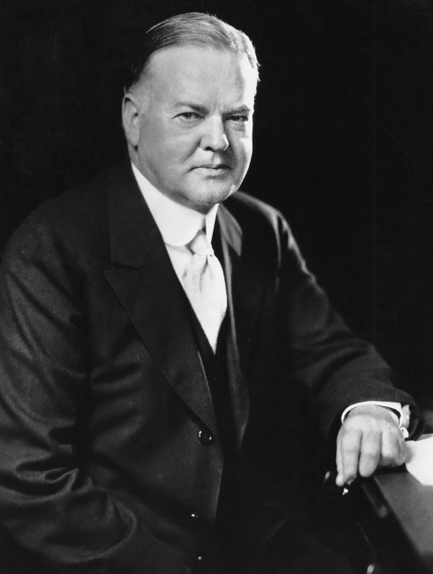
On May 15, 1930, Herbert Hoover signed the National Oil Conservation Act, a federal measure aimed at reducing waste and stabilizing the rapidly growing petroleum industry. The law empowered the federal government to regulate aspects of interstate transportation and marketing of crude oil, reflecting increasing concern over uncontrolled production and the economic volatility it created.
During the late 1920s and early 1930s, massive discoveries in places like Oklahoma and Texas flooded the market with crude oil, driving prices sharply downward and encouraging wasteful production practices. Oversupply sometimes forced producers to sell oil at extremely low prices, while unregulated drilling often led to inefficient recovery and the loss of valuable natural gas.