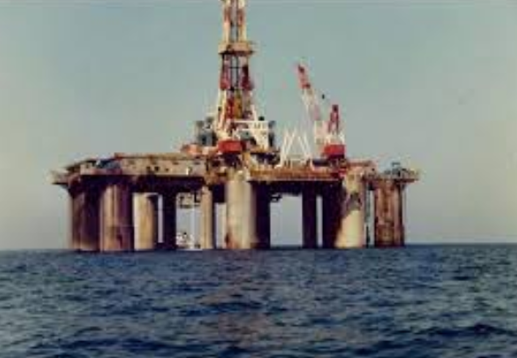
On May 4, 1869, Thomas Fitch Rowland, president of Continental Iron Works in New York, received a U.S. patent for a "submarine drilling apparatus." His design described a fixed working platform mounted on pilings, allowing operators to drill for oil in shallow coastal waters — decades before offshore production became a global industry. Rowland's concept envisioned a stable deck structure positioned above water with drilling equipment extending below, a remarkably forward-thinking idea at a time when most wells were still drilled on land using wooden derricks. Commercial offshore drilling would not truly take hold until the early 20th century, and it was not until 1947 that the first successful out-of-sight-of-land offshore oil well was completed in the Gulf of Mexico. Yet Rowland's 1869 patent captured the essential engineering principle that still defines offshore platforms today: separating the drilling workspace from unstable water surfaces.