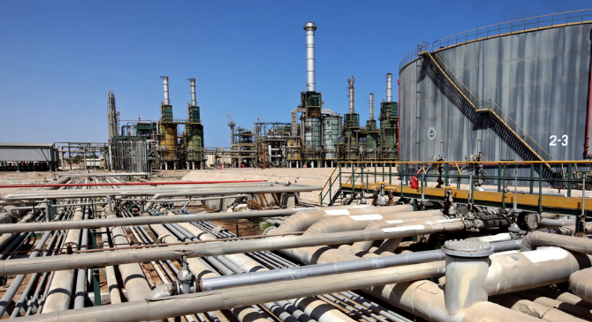
On April 23, 1961, commercial oil production officially began in Libya following the late-1950s discoveries that transformed the country into a major new petroleum supplier. The start of exports marked Libya's rapid entry into the global oil market, shifting North African energy dynamics and attracting international investment into the Sahara's vast sedimentary basins.
The breakthrough came after 1959 discoveries in the Sirte Basin, one of the most prolific petroleum provinces ever found in Africa. Within just a few years, Libya's output surged past 1 million barrels per day — an extraordinary pace of growth that placed it among the world's top oil exporters by the mid-1960s. At the time, Libya had a population of under 1.5 million people, meaning oil revenue per capita quickly became one of the highest in the world.
Libya's early production boom demonstrated how rapidly modern exploration technology could unlock frontier regions, reshaping global supply patterns and elevating petroleum into a central pillar of the nation's economy.