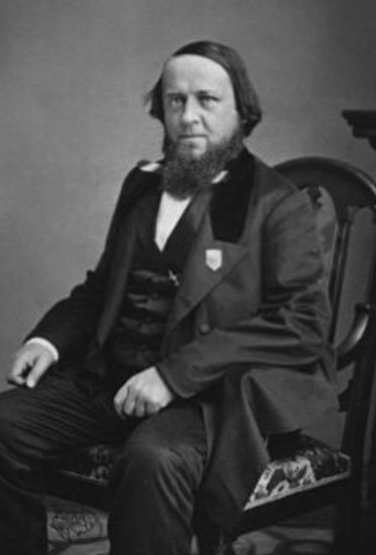
On April 16, 1855, Yale chemist Benjamin Silliman Jr. published a landmark analysis proving that Pennsylvania "rock oil" could be distilled into a clean, high-quality illuminating fuel. His report provided scientific validation that petroleum could compete with whale oil, which at the time was becoming scarce and expensive. The findings convinced George Bissell and his investors to finance drilling — setting the stage for the birth of the U.S. oil industry.
Silliman demonstrated that crude oil could yield multiple valuable products, including kerosene and lubricants, not just lamp fuel. His report cost investors $526.08 — a large scientific consulting fee at the time — but it unlocked an industry that would soon be worth millions. Just four years later, Edwin Drake's 1859 well in Titusville confirmed Silliman's conclusions and launched America's first oil boom.
The study stands as one of the rare moments where a laboratory report directly triggered an industrial revolution, linking chemistry, finance, and energy into a new economic era.