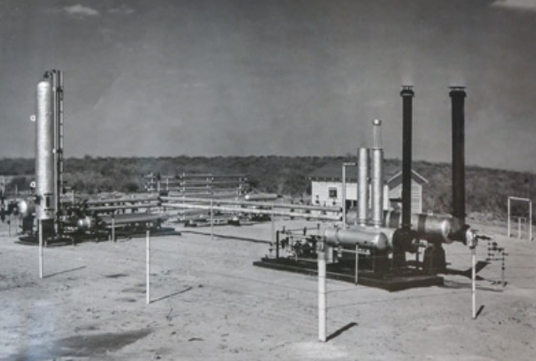
On March 26, 1930, the Texas Railroad Commission implemented one of its first major production-limiting measures to address severe crude oversupply and collapsing oil prices. At the time, Texas was producing millions of barrels per month, causing storage shortages and widespread waste from flaring.
This early effort in oil prorationing not only stabilized local oil markets but also set a precedent for coordinated production control worldwide, influencing future global agreements including the creation of OPEC decades later. The decision also encouraged better reservoir management practices, protecting long-term field productivity and helping to professionalize the U.S. petroleum industry.