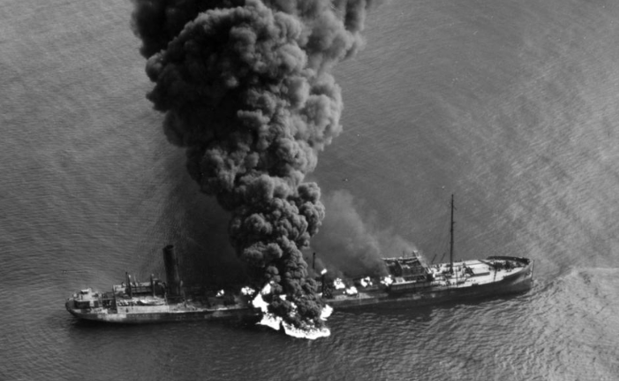
On March 24, 1944, the Big Inch and Little Big Inch pipelines were officially dedicated, providing a critical boost to U.S. wartime petroleum logistics. These pipelines moved crude oil and refined products from Texas and the Gulf Coast to Northeast refineries, bypassing German U-boat threats that made shipping by sea extremely dangerous.
The pipelines had a combined capacity of up to 334,456 barrels per day, enough to supply millions of gallons of fuel to both military operations and civilian industries. Construction involved thousands of miles of welded steel pipe, with crews working under wartime labor and material constraints. The project also introduced new pumping and metering technologies that influenced future pipeline engineering.