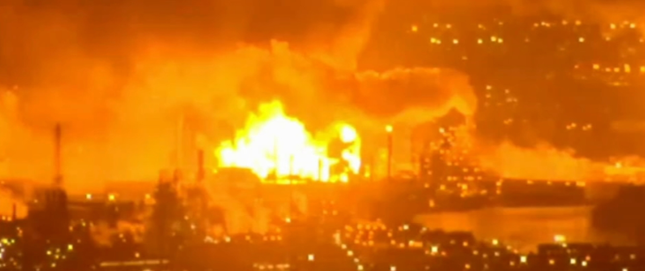
On February 10, 1928, the Beacon Oil refinery in Everett, Massachusetts was devastated by a massive explosion after small oil stills ignited and triggered a chain reaction across the site. More than 500,000 gallons of oil caught fire, producing explosions so powerful that flames and debris shot nearly 200 feet into the air, with windows shattered miles away.
The disaster killed 14 workers and injured at least 36 others, making it one of the deadliest refinery accidents in early U.S. petroleum history. Smoke from the blaze was reportedly visible from over 50 miles away, and nearby neighborhoods were evacuated as firefighters battled the inferno for hours using limited safety technology compared to modern standards.
The Everett explosion became a turning point for refinery safety, highlighting the risks of early petroleum processing and accelerating calls for stricter industrial safety practices. Events like this helped shape the fire codes, refinery layouts, and operational controls that underpin today's oil and gas refining industry.