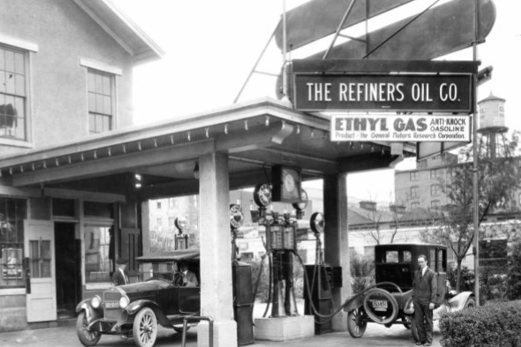
The impact was immediate. By the late 1920s, leaded gasoline was being used nationwide, helping automakers boost performance without redesigning engines. Within a decade, TEL additives were present in the vast majority of U.S. gasoline, and by the 1950s, leaded fuel dominated global markets, supporting millions of cars and aircraft engines worldwide.
However, the innovation came at a cost. Tetraethyl lead is highly toxic, and decades of use released hundreds of thousands of tons of lead into the environment. The fuel was gradually phased out starting in the 1970s, with the U.S. banning leaded gasoline for road vehicles by 1996 — marking one of the most significant public-health reversals in energy history.