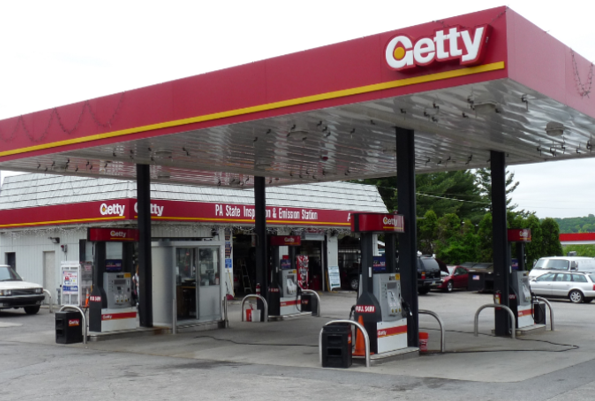
At the time, Texaco had over 7,000 service stations across the U.S., while Getty's reserves added approximately 800 million barrels of proven oil to the combined company's portfolio. The merger also created significant efficiencies in crude procurement, refining capacity, and distribution, allowing the new Texaco-Getty entity to influence oil pricing and supply chains across North America.
This landmark deal became a model for future oil and gas mergers, demonstrating the strategic value of combining upstream reserves with downstream infrastructure. By merging, Texaco significantly strengthened its position against competitors like Exxon, Mobil, and Chevron, shaping the U.S. energy market for decades to come.