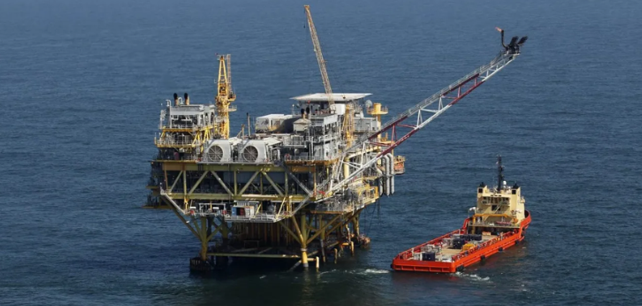
On October 13, 1954, the U.S. government held its first federal offshore oil and gas lease sale in the Gulf of Mexico, officially launching the nation's offshore energy era. Conducted under the Outer Continental Shelf Lands Act of 1954, the auction drew more than $129 million in winning bids—a record at the time—signaling strong investor confidence in America's offshore potential.
This landmark event paved the way for large-scale offshore drilling, extending petroleum exploration beyond state waters and into federally controlled areas. The leases opened access to untapped reserves beneath the seabed, reshaping the U.S. energy landscape and fueling decades of innovation in marine drilling and production technology.
From those first leases to today's deepwater platforms, the 1954 sale marked a turning point—one that helped secure the Gulf of Mexico's place as one of the world's most productive offshore oil regions.