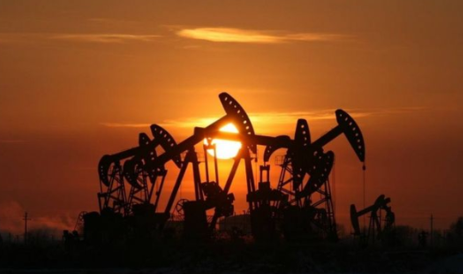
On October 1, 1959, the Daqing Oilfield in northeastern China began production. Over the decades, it grew into the country's largest onshore oilfield, becoming a cornerstone of China's energy development. By 2007, Daqing accounted for nearly 47% of national onshore oil production, fueling industrial growth and energy independence.
More than just a resource site, Daqing symbolized China's ability to meet its own energy demands and reduce reliance on foreign imports. The field also spurred advances in drilling techniques, reservoir management, and large-scale petroleum infrastructure.
The start of Daqing marked a turning point in Asia's energy history—illustrating how one oilfield can power a nation's economic rise and reshape global energy dynamics.